AODEQI · BUYING & APPLICATION GUIDES
UDI Compliance Guide: Laser Marking Requirements for Medical Devices
Plan a medical device UDI marking evaluation covering data, direct marking, code verification, surface validation and supplier acceptance evidence.
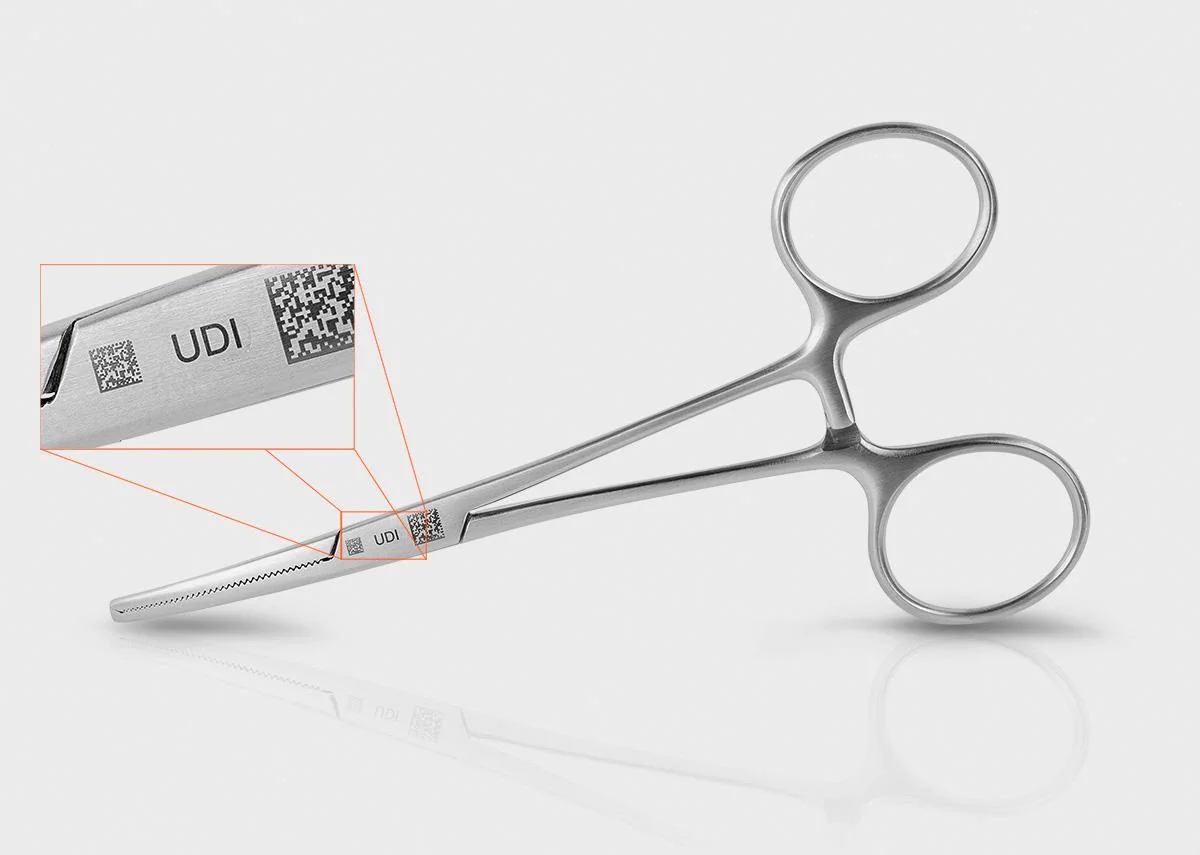
UDI laser marking is a device identification project with regulatory, data and manufacturing responsibilities. Buying a laser does not by itself make a medical device compliant. The device manufacturer or other responsible labeler must determine the applicable obligations, authorize the identifier and validate the finished marking process. This guide helps purchasing and engineering teams prepare a useful machine specification. It summarizes selected official resources and practical evaluation steps; device classification, exemptions, implementation dates and country-specific duties must be checked against the rules applicable to the actual device.
Establish the device and market requirements first
Regulatory scope before equipment choice
Identify the device family, intended use, reuse and reprocessing conditions, destination markets and responsible legal entity. Determine whether the requirement concerns packaging, the device label, direct marking or several levels of identification. Separate legal requirements from a hospital's or distributor's additional preferences. Keep the applicable rule, issuing-agency specification and internal drawing together in the project record. Purchasing a machine before those decisions are clear can lead to a successful surface mark that has the wrong information, occupies the wrong area or fails the device's validation requirements.
Understand the scope of direct marking
Assigned identifiers and data format
FDA guidance explains direct marking requirements for certain devices intended for repeated use and reprocessing before use, with relevant definitions and exceptions. The EU UDI framework also addresses identification of reusable devices. These are not blanket instructions to laser-mark every medical component. Consult the FDA direct marking guidance and the European Commission UDI resources for the applicable framework. Document the determination for your device instead of treating the machine supplier's general brochure as a regulatory decision.
Define the data and carrier with the responsible team
Confirm the required device and production information with the appropriate issuing-agency rules. Establish how data enters the marking system and how the marked identifier is checked against the part record. A GS1 DataMatrix, for example, is not simply a decorative square copied from an image file. Its data syntax and physical construction matter. Where GS1 is the selected system, consult GS1 healthcare UDI resources. Use authorized test data during development and prevent test identifiers from being mistaken for released production device identification.
Select the marking surface and process
Specify the alloy or polymer, finish, coating, geometry and permitted marking location. For suitable stainless steel components, fiber and MOPA fiber processes may be evaluated for contrast and surface condition. Selected polymer or glass applications may justify UV evaluation. Source choice does not establish biocompatibility, corrosion resistance or sterilization durability. The supplier should describe the demonstrated process, while the device team defines the tests needed to show that the mark and component remain suitable for their intended use.
Plan verification and reading as separate activities
A successful scan shows that a particular reader decoded the symbol under particular conditions. Verification evaluates the symbol against the agreed specification using appropriate equipment and conditions. Keep both activities in the acceptance plan. Define the marked area, required symbol dimensions, lighting arrangement, orientation and any surrounding clear area. Check the human-readable information where required. The GS1 verification guidance explains why a suitable verifier is different from an ordinary scanner. Record the method alongside the result so the test can be repeated.
Validate the device after the relevant processing
Evaluate the identification after the cleaning, disinfection, sterilization, handling or other processes required for the actual device. The validation plan should address its intended lifetime and approved service conditions. Include the component's functional requirements, not only whether the code still looks dark. Depending on the device, relevant evaluations may include surface condition, corrosion behavior, dimensions or other material properties. The test selection and acceptance criteria belong to qualified device personnel. A supplier's sample photograph can support the discussion but cannot replace the finished-device validation record.
Control the workstation and production data
Consider fixtures, orientation detection, focus, recipe access and the association between each part and its identifier. Define how duplicate data, failed reading, interrupted marking and rework are handled. Confirm the controller and reader interfaces before assuming integration with an existing manufacturing system. Establish who may edit artwork or production settings and how changes are approved. Avoid describing optional features as included until the exact controller, software and integration scope appear in the quotation. The complete station must also have appropriate guarding, interlocks and extraction for its operating environment.
Keep an approval package for the selected configuration
Record the machine identity, source, lens, fixture, software configuration, artwork revision and approved process settings. Retain representative samples, verification reports and the results of relevant durability evaluations. Include operator instructions and the response to an unreadable or incorrectly encoded mark. A later change to the material, finish, source, optics or reprocessing process should trigger an assessment of whether additional qualification is needed. This makes the purchasing record useful during production and helps distinguish a machine setting issue from a data or incoming-material issue.
Prepare the supplier request without asking for unsupported certification
Send AODEQI the controlled marking drawing, representative parts, approved sample data and a description of the required tests. Explain which tasks the supplier should demonstrate and which remain with the device manufacturer, quality team or integrator. Request a quotation for the specific configuration that produced the acceptable result. A sample test can establish feasibility and supply evidence for your assessment. It should not be presented as FDA approval, a UDI compliance certificate or a guarantee that every device in a product family can use the same process unchanged.